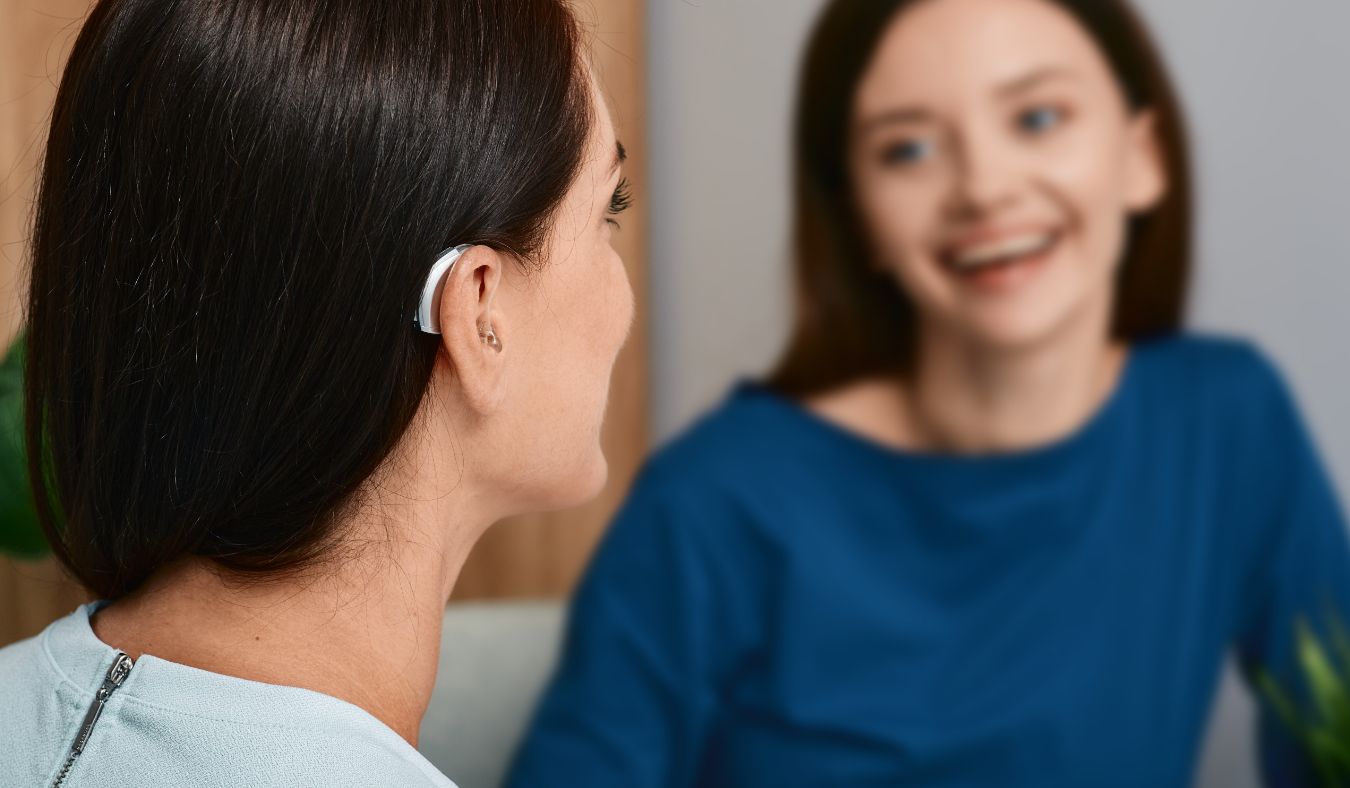
Many teenagers today spend hours listening to music, playing games or watching videos with headphones and earbuds. Because of this, safe listening habits have become more important than ever. The volume level, how long you listen and the type of headphones you use all play a role in your hearing health. Understanding these factors can help you make choices that protect your hearing now and as you get older.
How Hearing Works During the Teenage Years

During the teenage years, hearing is usually at its strongest, but the ears and brain are still developing and adapting to new experiences. The inner ear converts sound waves into electrical signals, which the brain then interprets, allowing teens to pick up subtle differences in speech, music and environmental sounds. This period is critical for auditory learning, as teens are often exposed to a variety of social and educational situations where listening skills are essential. Clear hearing helps them understand instructions in school, follow conversations with peers and enjoy music or other media with full clarity.

However, teenagers are also more likely to encounter risks that can affect their hearing over time. Exposure to loud music through headphones, concerts or recreational activities can gradually damage the delicate hair cells in the inner ear. Because these cells do not regenerate, repeated exposure to high volumes can lead to permanent hearing changes. Being aware of safe listening practices and paying attention to early signs of hearing difficulties can help teens protect their ears while still enjoying the sounds they love.

Main Reasons for Hearing Loss in Teens

For many teens, hearing loss is most often linked to noise exposure, certain illnesses or genetics. Listening to loud music through headphones or earbuds for long periods is a leading cause. Some teens also experience hearing loss from infections such as meningitis or due to family history. By being aware of these risks, you can take steps to support your hearing health as you grow.

Effects of Loud Sounds on Young Ears

Loud sounds can have a significant impact on teen ears, even if the damage is not immediately noticeable. Exposure to high volumes from headphones, concerts or sporting events can strain the delicate hair cells in the inner ear that are responsible for transmitting sound to the brain. Over time, repeated exposure may lead to permanent changes in hearing, making it harder to follow conversations or enjoy music at normal levels. Teens may also experience temporary ringing in the ears or muffled hearing after loud events, which can be an early warning sign of damage. Being aware of these effects and taking steps to limit exposure can help protect hearing for the future.

Recognizing Safe Volume Levels

It can be tough to know what a safe volume level is when using headphones or earbuds. A simple way to check is this: if someone next to you can hear your music, it is too loud. Many devices let you set a maximum volume limit, which can help you avoid turning up the sound too high without realizing it. A good rule for most teens is to keep the volume at or below 60% of the maximum.

Noticing Unsafe Listening Habits with Headphones and Earbuds

Many teens do not realize when their listening habits are unsafe. Some warning signs include:

  • Needing to turn up the volume higher than usual.
  • Hearing ringing or buzzing in your ears after listening.
  • Having trouble hearing people talk right after using headphones.
  • Using headphones for many hours without breaks.

The Importance of Taking Listening Breaks

Letting your ears rest is just as important as keeping the volume low. Taking short breaks from headphones or earbuds every hour gives your ears time to recover from sound exposure. Even a five-minute break can help. Setting reminders on your phone or device can help you remember to take regular breaks throughout the day.

Comparing Headphone Styles and Their Safety for Teens

Different types of headphones and earbuds offer varying levels of protection for your hearing. Over-ear headphones often cover the whole ear and block outside noise, which means you may not need to turn up the volume as much. On-ear headphones rest on top of your ears and might let in more background sounds, leading to higher listening volumes. Earbuds are very popular with teens but direct sound closer to the eardrum.

Noise-canceling headphones can also help by reducing outside noise, so you do not need higher volume levels. No matter which style you use, keeping the volume low and taking breaks remains important for your hearing health.

Simple Ways to Build Safe Listening Habits Each Day

Making safe listening part of your daily routine is a practical way to protect your hearing. Small changes can add up over time. By paying attention to how and when you use headphones or earbuds, you help keep your ears healthy. Here are some easy habits you can start today:

  • Keep the volume at or below 60% of the maximum level.
  • Take a break from headphones every hour, even if it is just for a few minutes.
  • Use noise-canceling headphones so you do not have to turn up the sound as much.
  • Choose over-ear headphones when possible since they often block outside noise better.
  • Set volume limits on your devices to avoid turning the sound up too high.

Signs That It is Time to Visit an Audiologist

Changes in your hearing can be easy to miss at first. You might start asking people to repeat themselves or notice that you are turning up the TV louder than before. If you hear ringing or buzzing in your ears, have trouble following conversations or feel like sounds are muffled, these could be signs that it is time to see an audiologist. About one in five teens has some form of hearing loss, according to the Centers for Disease Control and Prevention (CDC), so noticing these early signs matters for protecting your hearing health.

Making Safe Listening a Lifelong Habit

Building safe listening habits as a teenager helps protect your hearing both now and later in life. Keeping the volume down, taking regular breaks and choosing headphones that block outside noise can lower your risk of hearing loss over time.

If you notice changes in your hearing or have questions about safe listening, schedule an appointment with an audiologist. Taking steps today supports your long-term hearing health as you enjoy music, games and videos.